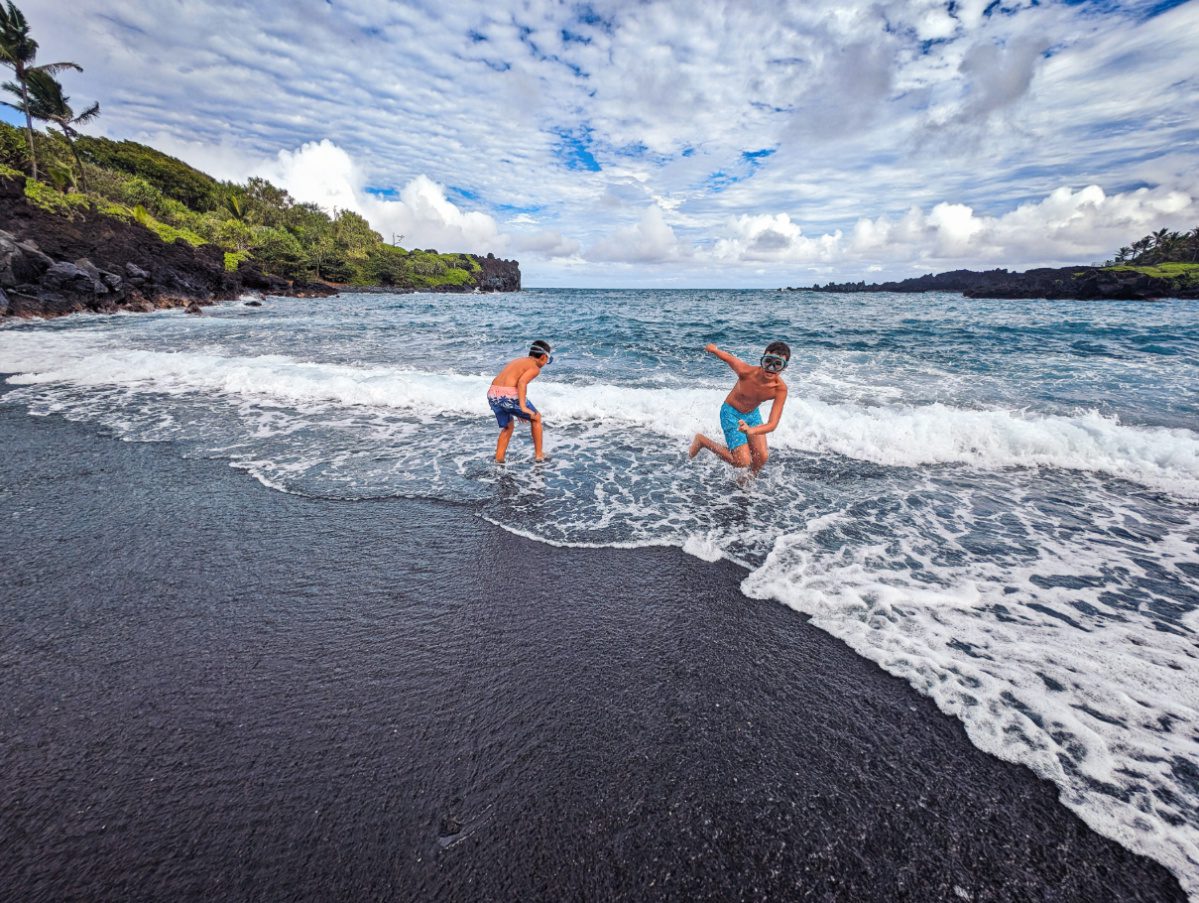
It’s no secret the the Big Island of Hawaii, the youngest and largest of the Hawaiian Islands, is my favorite, and one of the reasons is because of its volcanoes. Hawai’i is made up of five major volcanoes: Mauna Loa, Mauna Kea, Kilauea, Hualalai, and Kohala. Each of these volcanoes has shaped the island’s landscape and continues to influence its ecology, tourism, and culture. I wanted to do a deep dive into each volcano, including the notable towns on their slopes, favorite tourist activities, popular hikes, and unique geological features. I know that’s a lot to cover, but Hawai’i is such a special island that it’s worth talking about in depth.
If you haven’t visited the Big Island before, let this be encouragement to plan for it. Hawai’i’s volcanoes provide an amazing landscape as you travel around the island, and some of the best things to do on the Big Island are on the slopes and hillsides, including Hawaii Volcanoes National Park. If you have any questions about visiting the Big Island or need some additional recommendations for activities please leave a comment or send us a note. We’re always happy to share more and help you plan a wonderful visit to Hawaii.

Big Island Volcanoes and Things to Do
The Hawaiian Islands have formed over millions of years and continue to be shaped by their volcanic activity thanks to a hot spot in the earth’s crust. As plate move and shift, the hot spot lets out magma through its vents forming volcanoes at the surface. On the Big Island of Hawai’i the volcanic activity has shifted over the years with current eruptions still happening continually. We have great suggestions for things to do at each of the mountains, which are each worth visiting. Mauna Loa, Mauna Kea, Kilauea, Hualalai and Kohala are each very different with different things to do. Let’s get into it!
Mauna Loa: the Largest Volcano on Earth
I love Mauna Loa and how it subtly sits in the distance, and yet it is active and its slopes provide fertile farmland for everything from macadamia nuts to cacao. Mauna Loa doesn’t offer the drama of lava eruptions in the same way that Kilauea does, but when it wakes up, she can be very destructive putting out lava flows that move down the mountain with fiery force. The last major eruption at Mauna Loa was in 2022, moving down the mountain for 12.1 miles of lava flow, stopping just short of the Saddle Road. Fissure Three was the site of the primary flow and it produce some incredible views.
Towns on Mauna Loa
Since Mauna Loa takes up so much of the Big Island, you could consider quite a few towns to be on its slopes. Most notably because of its proximity to Mauna Loa Road and how close it is to the entrance to Hawaii Volcanoes National Park, Volcano is a small town and is home to artists, scientists, and volcano lovers. Keaau is on the way down into Hilo, and here you’ll find two of the best farmers markets on the Big Island. And then of course, Hilo is at the base where the slopes of both Mauna Loa and Mauna Kea meet the sea.
On the southern slopes of Mauna Loa you will find Pahala, Naalehu, Captain Cook and Milolii. When you’re driving the Hawaii Belt Road aka the Mamalahoa Highway, you’ll roll through each town but Milolii, which is down the slope at the ocean. This is a very local town and is not a tourist destination. Milolii does not have any services and although there is a public beach park, there isn’t the infrastructure to support tourism. You’ll love Naalehu and Captain Cook, so enjoy those towns and their fun stops and restaurants.

Things to Do on Mauna Loa
Mauna Loa’s main attraction is Hawai’i Volcanoes National Park, where visitors can explore lava tubes, craters, and active lava flows when present. The Mauna Loa Observatory is another significant site, but it’s not open to the public anymore, since the 2022 eruption. There are lots of other great things to do on the slopes on Mauna Loa though, including coffee farms and hiking. Here are our top picks:
- Kahuku Unit of Hawaii Volcanoes National Park – really beautiful hikes through ancient lava flows, green fields and forest. It’s very unique and one of the prettiest spots on the Big Island – Southwest Side
- Kona Coffee Living History Museum – really interesting place to learn about the history of coffee in Hawaii and traditional Japanese Hawaiian culture – West Side
- Mauna Loa Birding Trail – just up Mauna Loa road, this is an easy loop and it’s FULL OF BIRDS. This is our family’s favorite hike when we’re driving around the Big Island – South Side
- Punalu’u Bake Shop – the best malasadas on the Big Island – South Side
- Ka’u Coffee Mill – beautiful coffee orchards and tasting room – South Side
- Mauna Loa Macadamia Farm – a great place to visit and eat your weight in macadamia nut samples, and a beautiful tropical fruit garden/orchard on the property – Southeast Side
- Pu’u Huluhulu Trail – accessible from the Saddle Road, this is a lava flow hike that’s very dramatic and unique. This is a great spot to watch for the pueo, Hawaiian short eared owl – North Side
- Mauna Loa Summit Trail (13.1 miles one-way) – A challenging trek to the summit at 13,681 feet, with panoramic views and a chance to experience the vast lava landscape; must be well prepared because it’s a tough hike – North Side
There are lost more things to do on the slopes of Mauna Loa, and if you continue down to the sea you’ll love some of the beautiful and unique beaches. Take your time exploring and enjoying the mountain, and ALWAYS be respectful of private property and warning signs.

Mauna Kea – the Tallest Mountain from Base to Summit
My kids’ favorite science fact about Mauna Kea is that it’s the tallest mountain in the world when you consider everything to the base below the surface of the ocean. Above the sea it’s 13,796 feet tall, but when you follow its slopes to the ocean floor it hits 33,500 feet tall. That’s HUGE. With this giant mountain, you actually can see how diverse the landscape of the Big Island is. As it rolls down to the beaches at Hilo and Honomu, you get sand and tide pools, but then up the slopes you have waterfalls and farmland, and then eventually it’s a baren moonscape with snowcapped peaks. Mauna Kea is amazing.
I think the most amazing thing about visiting Mauna Kea is actually when you’re driving up to the summit area. You’ll go from the tropical climate to the arid high desert, and then there is a small band of cloud forest before it becomes almost alpine, and then it’s just rock. Mauna Kea is really fascinating to visit.

Towns on Mauna Kea
Let’s just say that all of the towns along the Hamakua Coast (the eastern shore) of Hawai’i are on Mauna Kea. Of course there is Hilo, which is the largest city on the Big Island, known for its lush rainforest just beyond the edge of town, great beach parks and wonderful culture. And of course the farmers market, which is forever my favorite. Hilo is a great city to just hang out in or be based for day trips all along the slopes of Mauna Kea.
Waimea, which is at the junction of Mauna Kea and Kohala, is a paniolo (Hawaiian cowboy) town with rolling pastures and a long ranching tradition. They also have an awesome farmers market and enjoying the upcountry on horseback is a part of visiting Waimea. Honokaa is one more great little town on the slopes of Mauna Kea, on the northeast side. There might not seem to be a lot happening here, but you can get the best fresh fruit along the road from fruit stands and enjoy the quiet side of the Big Island with a stroll through town.

Things to Do around Mauna Kea
Mauna Kea is famous for its observatories, even though they aren’t open to the public. Stargazing at the Mauna Kea Visitor Information Station is a highlight, as is exploring the alpine terrain near the summit. Head up, it gets very cold at the summit of Mauna Kea. If you’re doing a tour for stargazing (one of the most popular things to do on the Big Island) you’ll usually be outfitted with a parka because it’s so cold (similar to doing sunrise at Haleakala). Beyond stargazing there are several other great things to do around Mauna Kea.
- Mauna Kea Visitor Center – wonderful hub for learning about the mountain, the space science happening at Mauna Kea and seeing the native silversword plants. FYI, you can only drive as far at the visitor center if you aren’t in a 4WD vehicle.
- Kaulana Manu Nature Trail – accessible from the Saddle Road, this is the BEST birdwatching spot in the area, and the valley directly between Mauna Loa and Mauna Kea, on the Mauna Kea side.
- Humu’ula Mauna Kea Summit Trail (6 miles one-way) – A strenuous hike leading to the 13,796-foot summit, where breathtaking views and a sacred Hawaiian site await.
- Akaka Falls State Park – beautiful hike with an amazing jungle and perfect waterfall
- Hilo Waterfall Trail – From Rainbow Falls to Kulaniapia Falls and others, there are several waterfalls to visit flowing from the slopes of Mauna Kea
- Umauma Experience – a series of waterfalls and ziplines make this a really fun day of adventure and swimming
- Lavaloha Chocolate Farm – perhaps the best farm tour on the Big Island, tasting cacao and chocolate in different forms, tram tour around the mountainside farm
The slopes of Mauna Kea are fun to explore and the views are beautiful. Whether you’re just enjoying the zone on the mountainside or if you’re going all the way to the top, this part of the Big Island is gorgeous and MUST be a part of your plans when you come to Hawaii.

Kilauea: Hawaii’s Most Active Volcano
Kilauea is one of the world’s most active volcanoes, and it has erupted almost continuously between 1983 and today. The current series of eruptions have been occurring at the dramatic Halemaʻumaʻu Crater. Whether you’re an adult traveling alone or you’re planning a trip with small kids, getting to visit Kilauea, especially while there’s an active eruption is amazing. You can never plan exactly to be there when it’s erupting, but if you’re lucky enough and can be there at night, experiencing the lava glow and watching an eruption in the dark with the stars overhead is the single most incredible experience in Hawaii.
And then there’s lots of hiking too. Yes, even if Kilauea isn’t erupting during your visit, there are lots of things to do and see on the mountain, including some really awesome hikes. You can plan to have a whole day at Kilauea or even two days. There is no shortage of things to do, and planning for two days is the best way to get some potential lava action.

Towns on Kilauea
There’s not a lot built on Kilauea because of how active it is, but historically there have been towns. If you’re ever browsing Zillow looking at homes on the Big Island and you find very inexpensive options in Pahoa or Kalapana, it’s because they’re in the lava flow line and historically have been severely damaged by flows. It’s just the way of things when you live on an active volcano. Pahoa is a cute town though, similar to Makawao on Maui or Honokaa on the northern part of the Big Island. Kalapana does not have much to see and do currently, besides see how the 1990 lava flow destroyed so much of the town. So for Kilauea, just enjoy the sights within Hawaii Volcanoes National Park!

Things to Do at Kilauea
Hawai’i Volcanoes National Park is the primary attraction, with visitors coming to witness volcanic activity, hike through lava fields, and explore lava tubes like Thurston Lava Tube. I LOVE getting to spend time here and my kids will tell you first hand that it’s their favorite National Park. The hiking really is the main thing to do, but if you’re not a hiker, you’ll still enjoy the views and exhibits around the Kilauea rim. Here are our top picks for things to do at Kilauea in Hawaii Volcanoes National Park.
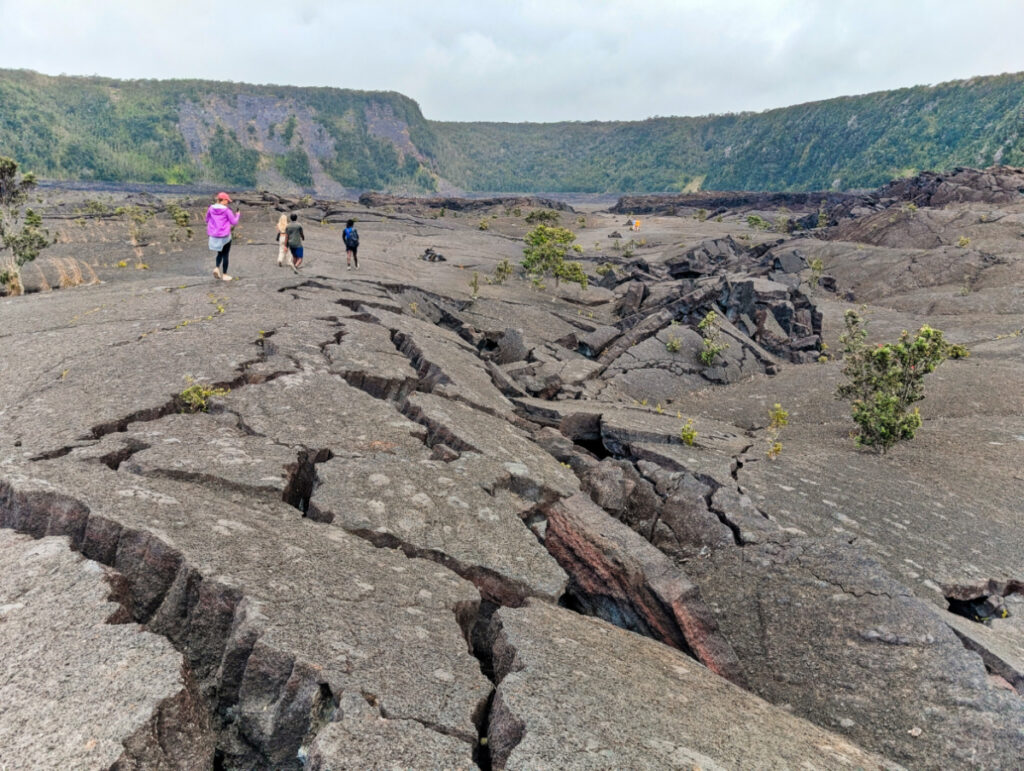
- Kilauea Iki Trail (4 miles round trip) – My favorite HVNP hike, it goes through a crater with steaming vents and solidified lava, offering an up-close look at volcanic geology.
- Thurston Lava Tube – easy hike down to a very long lava tube that you can go all the way through (it has lighting)
- Visitor Center and art gallery at the main Hawaii Volcanoes National Park complex *the Uekahuna Overlook visitor center is not open anymore due to volcanic activity
- Keanakako’i Overlook Trail – this is the hike out to the main Kilauea eruption viewing area
- Hike out to the Holei Sea Arch – this is an easy walk on the old road across lava flows for views of the ocean and the lava-formed sea arch.
- Pu’uloa Petroglyph Trail – this trail is mostly on a boardwalk and there are interpretive exhibits along the trail.
Hualalai: the Sleeping Giant
Hualalai last erupted in the early 1800s, but it’s still considered an active volcano. Located on the west side of the Big Island, Hualalai is most visible when you’re out on a boat. On land, you’ll most likely see Hualalai as you’re driving from Kona coffee farm to the next, but if you’re heading up the Kona Coast towards Lapakahi State Historical Park or Pu’ukohola Heiau National Historic Site, you’ll see that you’re driving in the shadow of Hualalai. I enjoy the time we spend on the slopes of this mountain because it’s much more quiet on the hiking trails and enjoying the views.
Also on the lower part of Hualalai are several of the Kona Coast’s high-end resorts, built on ancient lava flows with some of the prettiest beaches. Even though some of the beach access falls within resort areas, many of the resorts will give you a parking pass if you’re heading to the beach. It’s pretty great, as the sand coming from Hulalai’s lava is beautiful (black or peachy brown). Also, just off-shore, as the slopes do continue down to the seafloor, are some of the Big Island’s best deep-sea fishing spots.
Towns on Hualalai
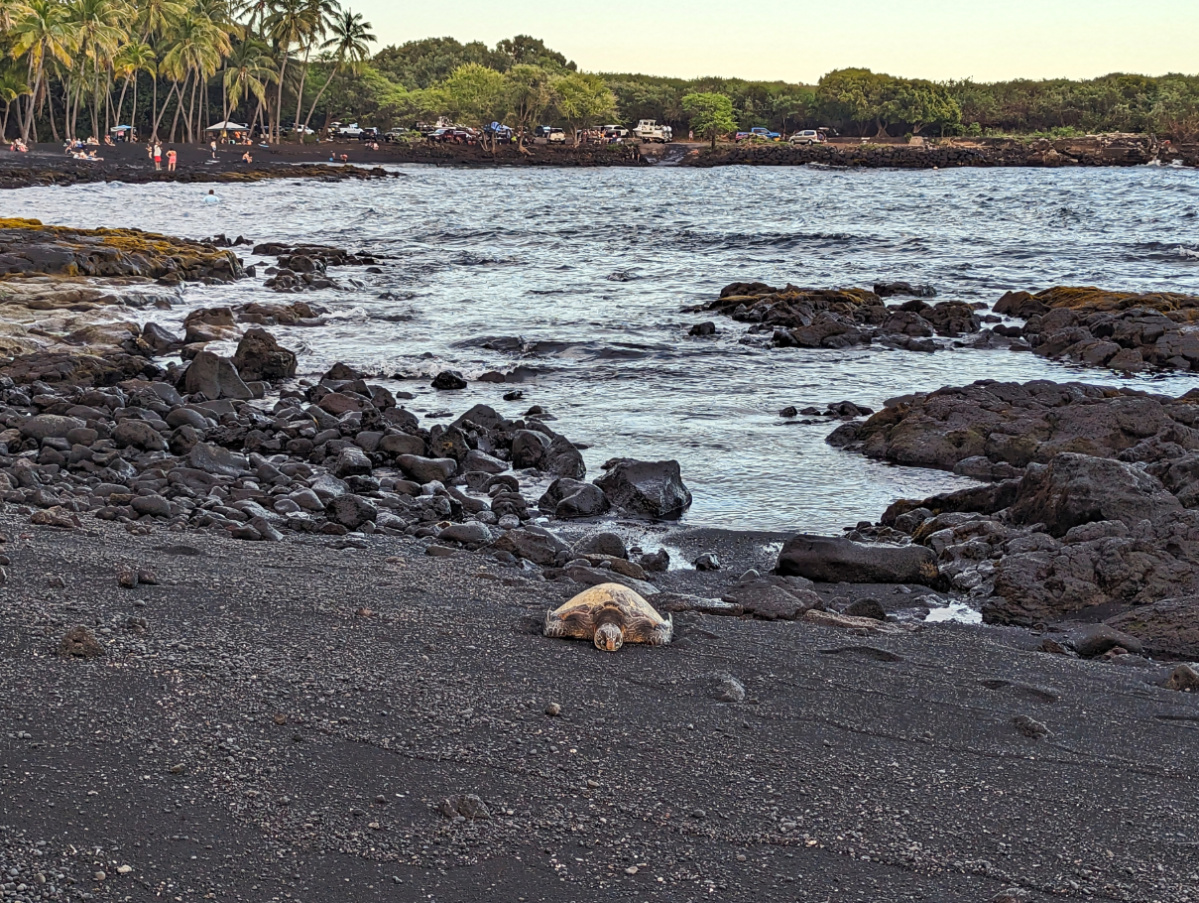
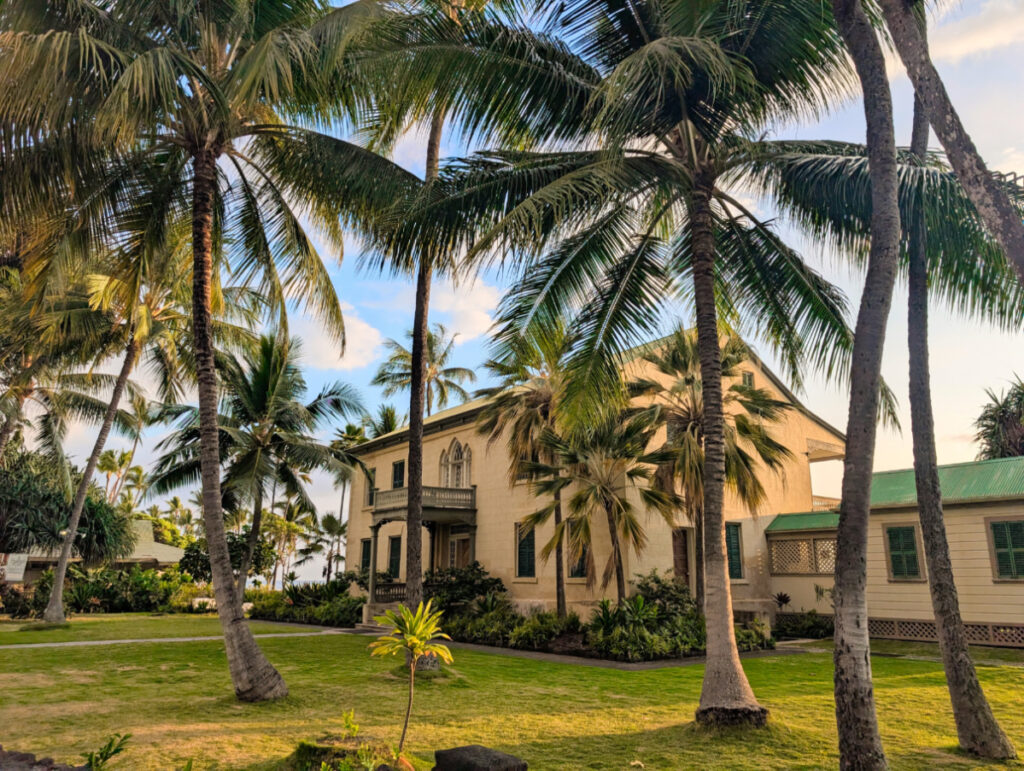
The most famous town on the slopes of Hualalai is, of course, Kailua-Kona. We love getting to spend time here (and several friends work along the waterfront) and for Big Island visits, it’s a great town to be based out of. There are lots of restaurants, some very nice resort hotels, and many historic sites. You can visit both the Hulihe’e Palace and Kamakahonu Historic Landmark downtown, and then just north of town you have Kaloko Honokohau National Historic Park where the sea turtles (honu) are just always there resting or eating.
Just up the hill from Kailua-Kona is the area of Holualoa, which is mostly coffee farms and private residences. It’s pretty to drive through as you seek out your Kona coffee experiences, but it’s not really a tourist destination beyond this. Waikoloa is the resort area at the north part of Hualalai before you come to the final and oldest mountain, Kohala.
Things To Do on Hualalai
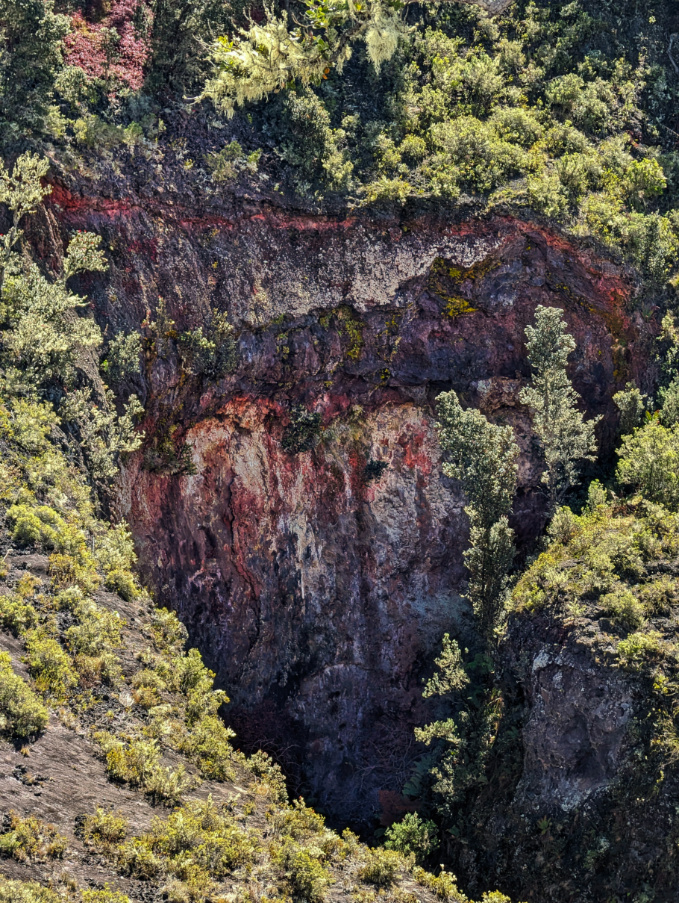
Hualalai as a mountain is less visited than its counterparts, but it is home to some beautiful hiking, coffee plantations, and the unique Ka’ūpūlehu lava flow from its 1801 eruption. There are some great things to do on Hualalai if you’re up for some adventure in the cloud forest.
- Hiking to the craters of Hualalai – this is mostly private land so you do need to be a part of a tour through Hawaii Forest and Trail to explore this part of the mountain.
- Pu’u Wa’awa’a Cinder Cone Trail (7 miles round trip) – A climb to a volcanic cinder cone with sweeping views of the Kona coast.
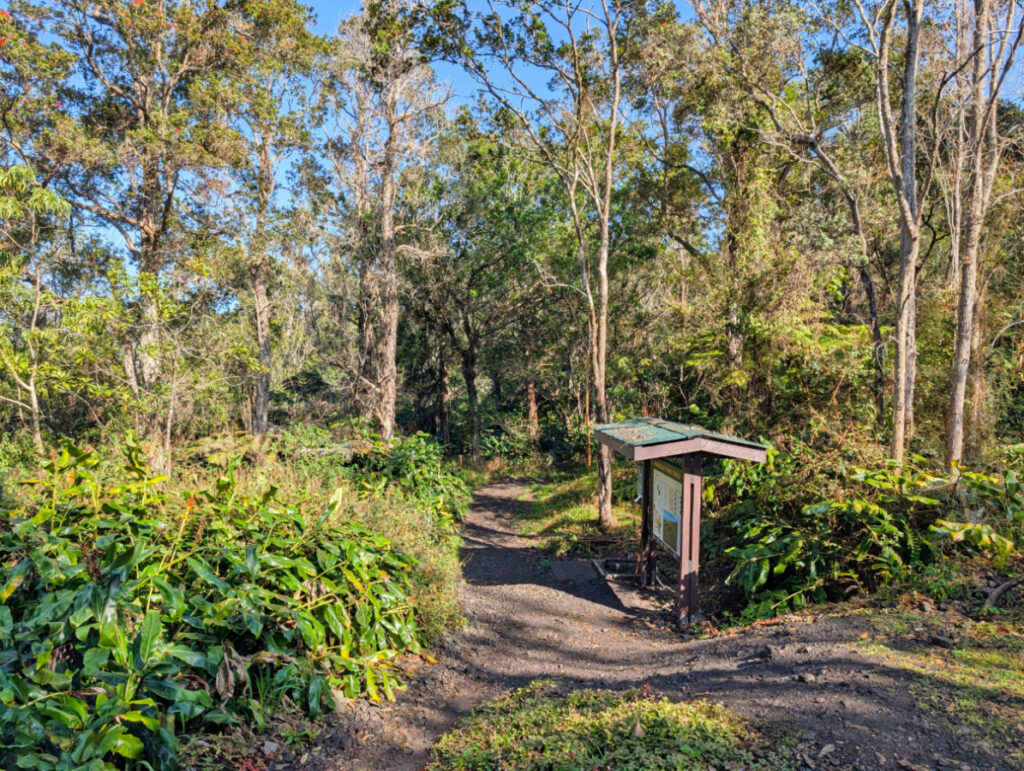
- Birding in the Cloud Forest – the Makaula ‘O’oma Trail system is awesome to hike and the birds and flowers are amazing.
- Mountain Thunder Coffee Plantation – I love how this coffee tour takes you through the whole process from harvesting to sorting to roasting.
- Buddha’s Cup Coffee Farm – this is a beautiful setting with lots of space to roam. Tours are available, as are tastings.
Kohala: the Oldest Volcano
Oldest of the Big Island’s volcanoes (over 1 million years old), Kohala is the northern part of the island. It’s been worn down over the years and is much more lush and rolling than Mauna Kea or Kilauea. Koahala has fruit orchards, waterfalls and beautiful trees. Much of this volcano is inaccessible because it’s on private land, but there are tours to grant you access for it. Kohala is gorgeous with its end marked by the Waipi’o Valley. Shaped by dramatic erosion, the stunning valleys coming from Kohala make for beautiful viewpoints.
The west side of the mountain is considered the birthplace of King Kamehameha I. There is an historic marker and if you’re doing the Ala Kahakai National Historic Trail, this is the northernmost end of the trail system.

Towns on Kohala
Kohala isn’t populated like the slopes of Mauna Loa and Hualalai. Here you’ll find just a few small towns. Hawi is a tiny historic town with an arts scene and some access to scenic coastlines. There’s a general store and some restaurants, so it’s a good place to stop when you’re exploring. Nearby is the town of Kapaau, which is home to one of the famous statues of King Kamehameha I. Fruit stands and a few small shops is what you’ll find here before you come to the end of the road.
Note: the road that goes through Hawi and around the northern side of Kohala DOES NOT CONNECT to the Hamakua Highway on the eastern shore. The Akoni Pule Highway ends at Pololu Valley and then the Hamakua Highway ends at the Waipi’o Valley.

Things to Do at Kohala
Visitors come for the dramatic sea cliffs at the end of the road, to hike in the lush valleys, and to visit the historic Hawaiian sites from Hualalai and northward. The Pololū Valley lookout is a major draw, with its breathtaking coastal view and amazing birdwatching (I love birding!). Here are our picks for things to do when you visit Kohala and its towns.
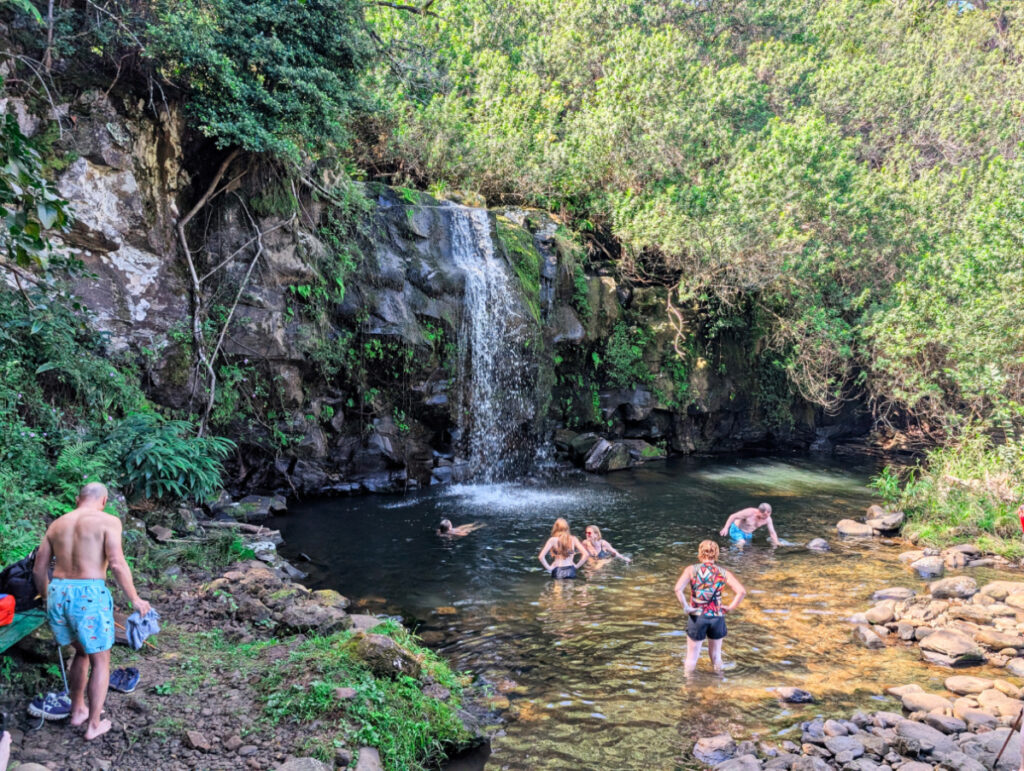
- Guided Koahal Waterfalls hiking – Hawaii Forest and Trail has access to the private land with waterfalls and beautiful forests
- Pololū Valley Trail (1 mile round trip) – A steep hike down to a black sand beach surrounded by cliffs and lush vegetation.
- Kohala Ziplines – temporarily closed, but should reopen in 2027
- Visit Hawi and Kapaau – walk around a bit (not a lot to see) and have a delicious meal
- Watch for humpback whales from the Kamehameha I birthplace
- Snorkel at Kapa’a Beach Park
I hope you’re excited to really explore the mountains of Hawai’i. The five volcanoes of the Big Island each offer a unique experience, from stargazing atop Mauna Kea to witnessing fresh lava flows on Kilauea. These mountains shape not just the geography of the island but also its biodiversity, culture, and tourism all of which is very evident as you go from town to two. If you have any questions about the activities we’ve suggested or are looking for more recommendations for the Big Island, please leave a comment or send us a note. We’re always happy to share more and help you plan a wonderful visit to Hawaii.